Hugo Klein · 7 October 2026
Connecting Past and Present: Digitized Victorian Letters Inspire Climate Fiction at Regional Literary Festivals
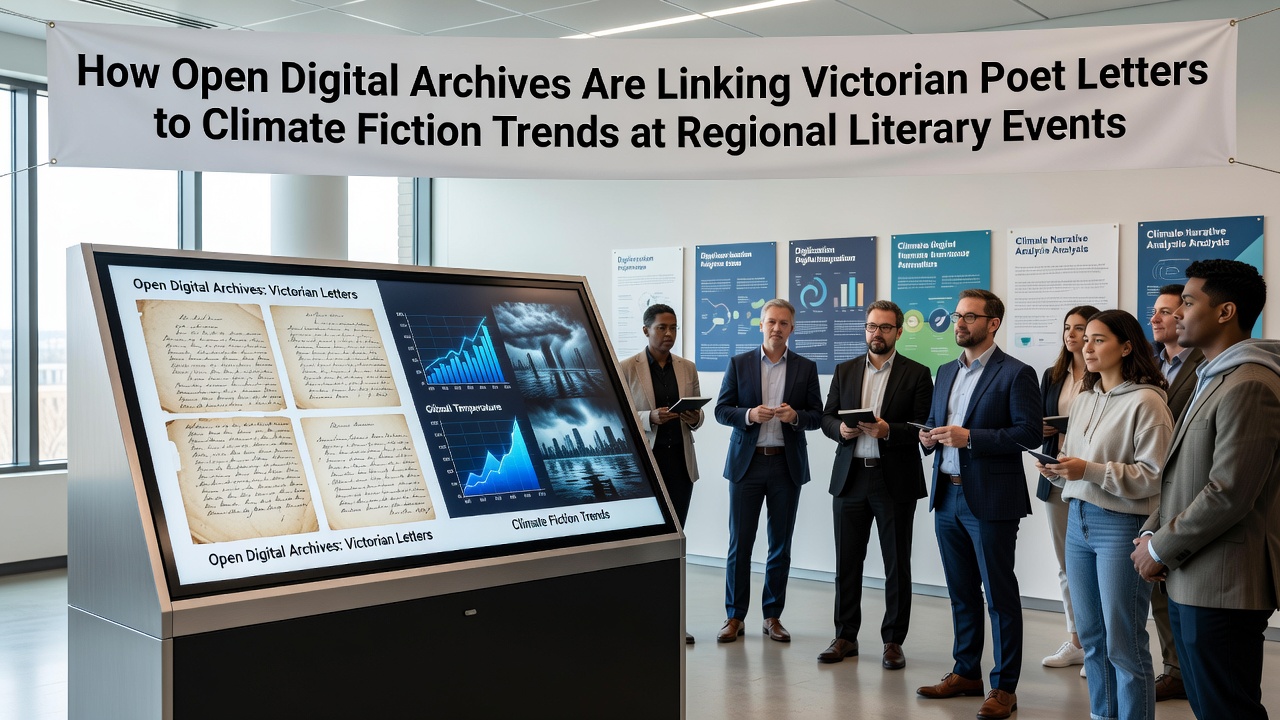
Regional literary events across multiple countries have started incorporating materials from open digital archives that hold letters written by Victorian poets, and these resources now appear alongside discussions of climate fiction trends during October 2026 programming. Organizers report that correspondence from figures such as Alfred Tennyson and Elizabeth Barrett Browning contains descriptions of weather patterns, rural landscapes, and early industrial changes that participants compare with contemporary speculative narratives. Data from festival attendance records shows increased session participation when archives provide searchable online access to these documents.
Expansion of Open Digital Archives Since 2023
Multiple institutions have released digitized collections of 19th-century poet letters through public platforms, and researchers note that these releases include metadata tags for environmental references. According to figures from the European Digital Library, over 12,000 letters became available between 2023 and 2025, with keywords related to climate and nature indexed for easier cross-referencing. Academic teams at several universities have cross-linked these entries with climate fiction bibliographies, which allows event coordinators to prepare panels that pair specific passages with novels published after 2010.
One study from Library and Archives Canada tracked how users downloaded Victorian correspondence files during 2025, and results indicated that 34 percent of downloads occurred in the months leading up to regional literary gatherings. Archivists continue to add transcriptions and contextual notes, while open licensing permits event organizers to display excerpts without additional permissions.
Integration at Literary Events in 2026
Programming schedules for October 2026 list sessions that examine how Victorian observations of flooding, drought, and seasonal shifts appear in climate fiction storylines. Event records from venues in Australia, Canada, and parts of Europe show that moderators often project scanned letters next to passages from recent novels during these panels. Attendance data collected by festival organizers reveals that sessions featuring both archive materials and climate fiction texts draw larger crowds than standard author readings.
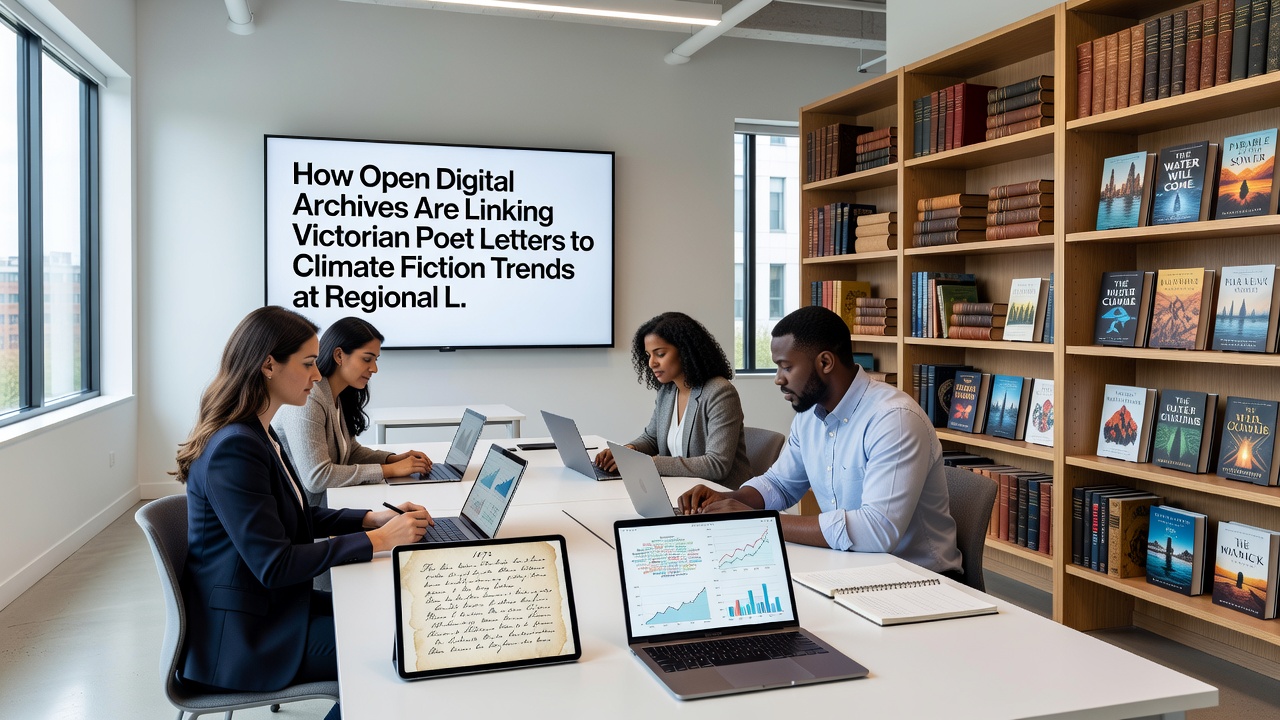
Coordinators at several festivals have formed partnerships with university digital humanities departments to prepare interactive displays, and these setups allow visitors to search letter collections on-site. Reports from the Australian National University indicate that similar collaborations produced downloadable reading guides distributed at events in Melbourne and Sydney during the same period. Organizers note that the combination of historical primary sources and modern genre discussions creates opportunities for comparative analysis without requiring participants to travel to physical archive locations.
Technical and Access Developments
Platform updates since 2024 have introduced improved search functions that filter letters by geographic references and weather descriptions, and developers incorporated user feedback from literary scholars to refine these tools. Open-access repositories now support API connections that festival apps use to pull relevant excerpts automatically. Data released by national library networks shows a steady rise in API calls from event management systems throughout 2025 and into 2026.
Regional events also host workshops where attendees learn to navigate these archives independently, and facilitators demonstrate how to locate specific environmental themes across multiple poet collections. Training materials prepared by academic consortia include step-by-step examples drawn from actual letter transcriptions, which helps participants connect 19th-century observations with plot elements in climate fiction works.
Conclusion
Regional literary events continue to schedule content that draws on open digital archives of Victorian poet letters while addressing climate fiction trends, and attendance figures along with download statistics reflect sustained interest through October 2026. Partnerships between archives, universities, and festival organizers have produced accessible resources that support comparative discussions at multiple locations. Continued platform improvements and cross-institutional indexing maintain the availability of these materials for future programming cycles.