Freya Patterson · 23 September 2026
UK Archives Launch Digitization Drives to Unlock 19th Century Letters for Researchers Worldwide
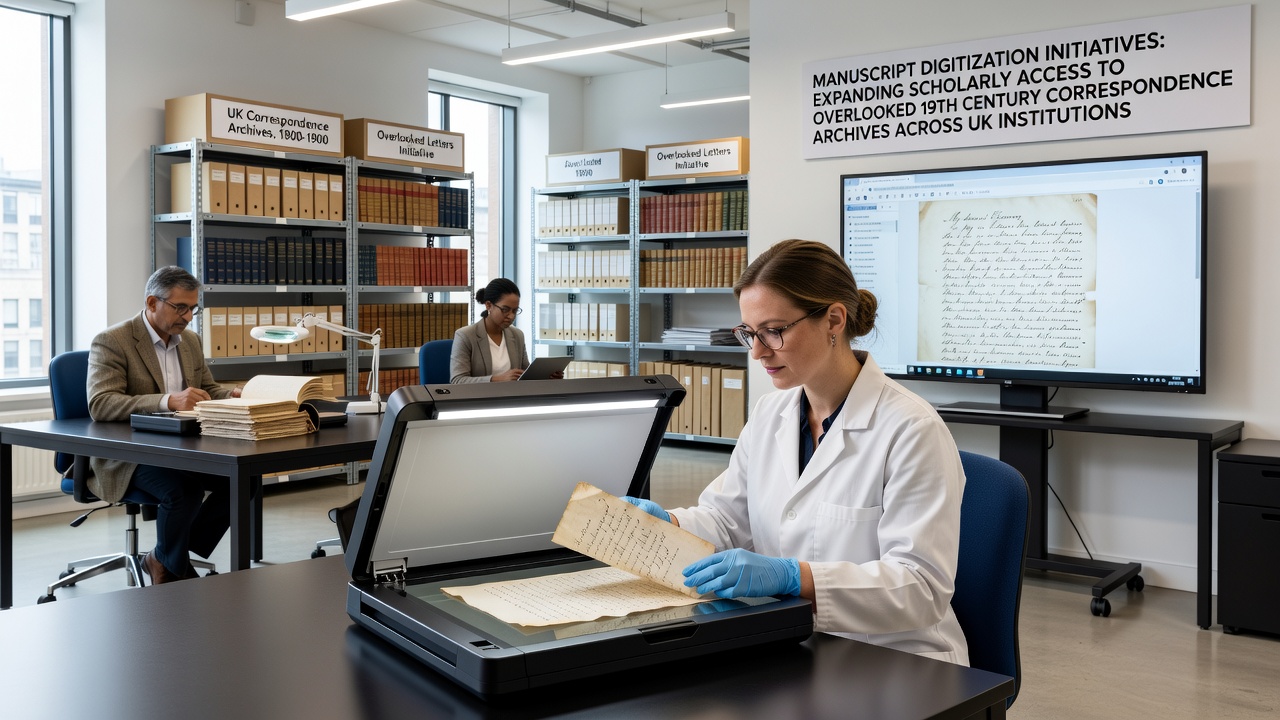
Institutions throughout the United Kingdom continue to expand programs that convert 19th century correspondence collections into digital formats, and these efforts connect previously isolated archives with scholars who study social history, literature, and political developments from that era. Projects at locations including the British Library, university libraries in Oxford and Cambridge, and regional record offices have processed thousands of letters in recent years while maintaining physical preservation standards that protect original manuscripts from repeated handling.
Scope of Current Digitization Projects
Multiple archives have targeted correspondence from figures such as minor politicians, local reformers, and family networks that received limited attention in earlier cataloging efforts, and researchers now examine these materials through online portals that provide high-resolution scans along with searchable metadata. Data from the UK National Archives indicates that over 150,000 pages of 19th century letters entered digital repositories between 2023 and 2025, while parallel initiatives at smaller institutions added another 80,000 items focused on regional voices often overlooked in national collections.
Funding for these programs comes from a combination of government grants, philanthropic foundations, and academic partnerships, and project teams employ consistent imaging protocols that capture watermarks, ink variations, and marginal notes alongside the main text. Observers note that September 2026 marks the scheduled rollout of a coordinated platform that will aggregate records from twelve participating sites into a single searchable interface.
Technological Approaches and Standards
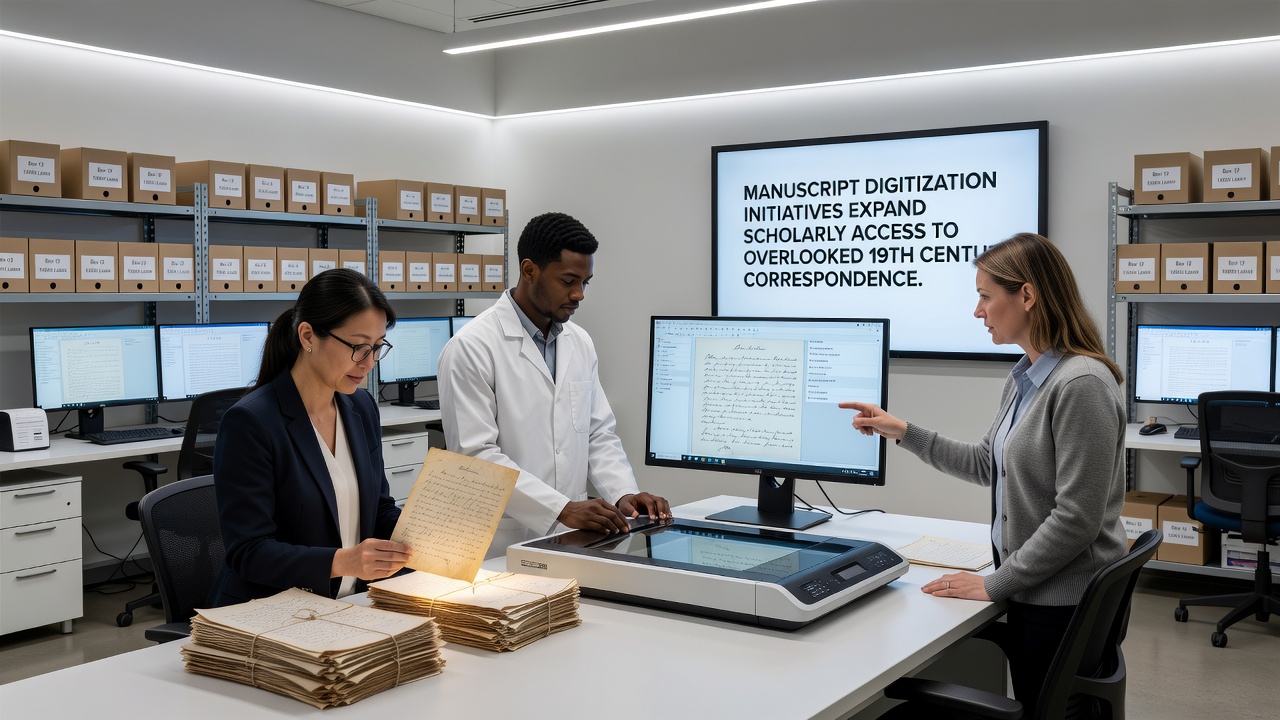
Teams rely on overhead scanners and multispectral imaging to handle delicate paper that shows signs of age, and software tools then generate OCR outputs that undergo manual correction for accuracy on handwritten scripts. Standards developed through collaboration with European heritage organizations guide file formats and metadata structures so that digitized letters remain compatible across different research platforms. One study from the Library of Congress highlighted similar workflows in comparable North American projects, where cross-institutional data sharing increased citation rates for previously obscure documents by measurable margins.
Access interfaces include zoom functions, annotation tools, and export options that allow users to compile custom selections for teaching or publication, and these features reduce the need for physical visits while still directing scholars toward original items when deeper examination becomes necessary. Institutions report that remote users now account for more than 60 percent of all collection consultations in participating archives.
Scholarly Impact and New Research Directions
Expanded digital access has already produced studies that trace correspondence networks across class and gender lines in Victorian Britain, and historians cite these letters when examining topics such as emigration patterns, industrial labor conditions, and educational reforms. A report issued by the Arts and Humanities Research Council documented a 40 percent rise in publications drawing on 19th century UK correspondence between 2020 and 2024, with many authors noting that online availability allowed them to incorporate materials from multiple archives in single projects.
Graduate programs have integrated the new resources into coursework, and students now compare letters from different regions without travel budgets that once limited such work. Project managers track usage statistics that reveal interest from researchers in Australia, Canada, and the European Union, where similar digitization programs create opportunities for comparative analysis across former colonial and trade connections.
Challenges in Implementation
Copyright questions surrounding unpublished letters require careful clearance procedures, and institutions balance open access goals with restrictions that protect privacy interests of descendants. Technical staff also address issues of inconsistent handwriting styles that slow automated transcription, which leads teams to combine machine learning models with crowdsourced volunteer corrections. Resource constraints at smaller regional archives mean that prioritization decisions favor collections with clear research demand, while broader cataloging of remaining holdings proceeds at a measured pace.
Conclusion
Continued investment in manuscript digitization across UK institutions builds a growing digital record of 19th century correspondence that supports detailed scholarly inquiry without compromising original documents. Coordinated efforts scheduled through 2026 and beyond will determine how effectively these archives serve an international research community that relies on accurate, accessible reproductions. The results of these programs appear in citation patterns and new publications that draw on materials once confined to physical reading rooms.